Family Relationships & Roles
CF doesn’t just impact the person living with it, it can shape the entire family dynamic. Especially during childhood, families often work as a team to manage treatments, appointments, and care. But as health improves and care routines change, family roles and caregiving responsibilities can shift. This can bring new opportunities, challenges, and adjustments for everyone.
A study exploring parents with CF found that managing both illness and family responsibilities often required “creative multitasking and alterations to other aspects of life,” as families adapted to changing health and independence.
Prior to Trikafta, our relationship was definitely strained. We didn’t get to spend a lot of time together. Now we’re actually able to see each other in the evenings. We’re sitting down as a family and having dinner together. It’s given us that work life balance.
– Parent of child with CF

Parents/Caregivers
All parent/child relationships evolve over time, but CF can add complexity to this. The introduction of new medications and the improvement in health have made these changes faster for many families and this can be challenging for parents and carers to navigate.
We find CF care comes with a heavy time, money and emotional toll. It can be exhausting. It can take a lot of time, hence less time to spend with family, friends, partner. Parenting alone can be exhausting.
– Parent of child with CF
Parent Self Identity
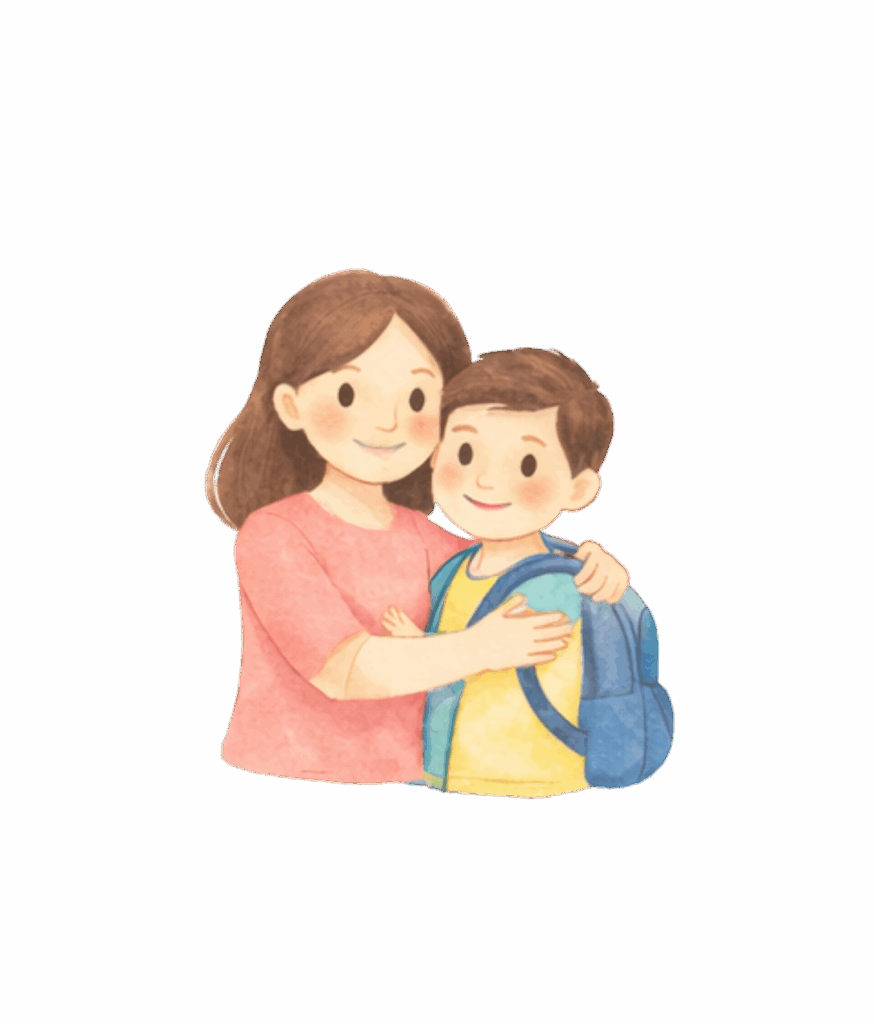
For many parents of a child with CF, identity has been shaped around being a carer, advocate, protector, and expert in your child’s complex health needs. The routines, hospital visits, CF care team and treatment plans were not just part of your child’s life, they became part of yours too. Many parents have put their own needs, interests, and identities on hold while navigating years of uncertainty, vigilance, and care.
As your child’s health improves, you may notice your role beginning to shift. This isn’t about stepping back or becoming less important. Instead, it’s about learning to trust your child’s health progress, the supports around them, and yourself as your role evolves. Even positive change can feel complex, and adjusting to a new chapter doesn’t always come easily. It’s natural for this transition to bring a mix of emotions. Alongside relief and hope, there may also be confusion, grief, or a quiet sense of loss. You may find yourself missing the clarity of a role you knew well, even if it was exhausting. These feelings don’t mean you want things to go back; they simply reflect how deeply invested you’ve been.
You might:
- Feel unsure about how to support your child now that they’re healthier
- Worry that you’re no longer needed in the same way
- Have moments of relief mixed with sadness, fear, or uncertainty
- Struggle with how to talk about CF now that it looks different in your family life
- Experience identity loss, especially if caregiving was a major part of your day-to-day role
It’s important to recognise that your dedication, advocacy, and care have been a huge part of your child’s progress. As things change, both you and your child are adjusting, not away from each other, but into a new way of relating.
What might help:
- Have open conversations about boundaries and what kind of support you can offer
- Rebuild your relationship beyond CF care, explore shared interests, family rituals, or casual hangouts that don’t revolve around health
- Reflect on how your role has evolved, not just what you’ve “lost” but also what’s opening. For example, having more time and space to focus on your own identity, interests, passions, and values, as well as permission to rest or explore parts of yourself that may have previously been on hold. Noticing these shifts can help reframe change as an opportunity for growth, rather than just something taken away. Connect with other CF parents going through similar shifts
- Talk with a counsellor or psychologist if this transition brings up grief, anxiety, or identity challenges
Navigating Independence
When health improves, independence with managing CF doesn’t happen overnight and it doesn’t look the same for all families.
Challenges might include:
- Navigating when to take over responsibility, and when to ask for help
- Feel tension if one person wants independence faster than the other
- Learning and balancing new adulting skills and responsibilities while still managing health
- Families struggling to let go of control or feeling uncertain about stepping back
- Parents/carers having more time away from their caring role
What might help:
- Empower your child to learn about CF by providing age-appropriate information to help them understand CF as they grow
- Use tools like treatment checklists, calendars, or apps to build confidence managing care independently
- Celebrate small milestones (e.g., calling the pharmacy, managing hospital check-ins), independence is a process, not a moment
- Acknowledge that both independence and connection can coexist, asking for help doesn’t mean going backwards
- Carers seek hobbies and new interests away from the caring role
- When the time comes, create a transition plan together, with clear roles, timelines, and flexibility
I didn’t realise I was depressed until I actually started working, and I found ‘me’. I was before, just my child’s mum. I was always in hospital. There were so many things going on all the time. It was just chaos. And then once I started working, it was only four hours. But it was four hours for me.
– Parent of child with CF
Understanding Protective Instincts and Parental Emotions
Parenting a child with CF involves constant learning, adjusting, and doing the best you can with the information and circumstances you have at the time. Like all parents, families learn as they go and may look back and question past decisions, this is a very human response, not a failure.
It’s common for families to carry feelings of guilt, especially around whether they were too protective or not protective enough. Parents and carers may worry that decisions made in the past or present limited their child’s social life, freedom, or independence, even when those decisions came from love, concern, and a desire to keep their child safe.
While protective instincts are often necessary and important, reflection can be helpful in noticing when protection may begin to limit opportunities for independence or confidence-building. Research suggests that, in some cases, well-intentioned overprotective behaviours can contribute to higher anxiety and reduced independence in children and young people living with chronic conditions such as CF.
Signs of overprotection might include:
- Constant check-ins or hovering, even when health is stable
- Avoiding new experiences just in case something goes wrong
- Struggling to hand over responsibility for medications or appointments when your child is ready and keen to take it on
What might help:
- CFWA supports for parents and other carers
- Seek outside support (counselling or family therapy) if emotions around control and fear are getting in the way of connection
- Acknowledge these feelings without blame, guilt usually comes from love and fear
- Build trust gradually, try stepping back in small ways and check in regularly about how it feels for both of you.
Oh, there are definitely moments where I have to let go and step back. I mean, I want her to have as normal a childhood as possible and of course, I’m always going to worry, but I worry about my son as well. I think the fact now that she’s going out with friends and spending time at friends’ houses, just knowing that she is continuing taking her medications when she eats and all that sort of thing is a little bit tricky. But by the same token, I don’t want to stop her from being able to do those things. So, I just have to trust she does the right thing and everything will be okay.
– Parent of child with CF
Partners
When navigating a long-term romantic relationship with chronic illness, the unaffected partner can often take on the role of a caregiver, helping to manage medications, treatment routines and appointments. This may come with challenges including role definition between partner and caregiver, and a potential loss of independence and autonomy for the person with CF.
Discussing the future
If you are starting a new relationship or your relationship is becoming more serious, choosing when to share that you have CF, if they don’t already know, and discussing how it might impact your future together, is a personal decision that only you can make. As relationships becomes more serious, conversations about the future naturally come up. CF doesn’t have to be the centre of those conversations, but it is a part of your life, and talking openly about your past experiences and what the future might hold is important.
Potential partners may have outdated information about CF, and this might impact their thoughts and decisions about having a serious relationship or planning a future with someone with CF. Providing updated information can help make these conversations easier.
Topics that may arise:
- Will CF affect where you live, work, or travel together?
- What role might your partner play in your care?
- How do you both feel about long-term plans, including family?
- How might CF impact your financial future?
What might help:
- Start small, “I don’t have all the answers, but I want you to understand what CF could mean down the track”
- Invite your partner to a CF clinic visit or provide them with info (e.g., short videos, articles) so they hear from professionals too
- Be honest about your hopes and fears so you can plan together.
Changing roles
As your health changes, the role your partner plays in your life may change too. Improvements in health can result in some adjustment, as each person’s role and identity changes. As CF becomes less of a focus in your relationship you may find there is more time to connect and do things you enjoy together. You may also be faced with new opportunities and challenges as you navigate the future with CF like travel, family planning, parenting, retirement and other health issues.
Challenges might include:
- Redefining roles within the relationship as routine CF care becomes more manageable
- Adjusting household jobs, responsibilities and expectations
- Navigating changes in employment, study, or career plans as health and capacity shift
- Managing financial adjustments, including changes to income, benefits, or long-term planning
- Relief at improved health may be mixed with fear or anxiety about future health
- Letting go of long-standing habits such as overprotectiveness or dependency, which may have once felt necessary
What might help:
- Have open honest conversations about how you are feeling
- Allow time for your partner to adjust to the changes
- Create new routines and experiences together that are not focused on health
- Seek counselling to help navigate these changes
- CFWA supports for partners
Siblings & Offspring
Siblings and children of adults with CF are also cohorts who may experience changes to their family roles and relationships as a result of changes in health outcomes for the CF community. This group of young carers often step in to help with physiotherapy and other treatments and may pick up extra tasks around the house like assisting meal preparation, attending appointments, cleaning and other chores. They may also take on the additional load of encouraging their loved one with medications and providing emotional support. They may experience guilt, jealousy, anxiety, and isolation as they navigate life with a loved one with CF.
Research shows that caregiving during childhood can increase emotional challenges, peer difficulties, and lower academic performance compared to peers not in caregiving roles. On a positive note, evidence suggests that children who grow up in a family with CF develop more resilience and empathy than their peers.
The Changing Role of Young Carers
As people with CF become healthier, their siblings and children may have questions about what this means for them and for family life in the future. Connecting with other people who understand their situation is often helpful to enable open conversations about the impact of changes. Click here for young carer support, events, stories and more.
They may experience:
- Reduced carer burden – As health outcomes improve, young carers may take on fewer day-to-day responsibilities related to treatment, monitoring, or emotional support. This can ease pressure and allow them to focus more on their own needs, education, and wellbeing.
- Improved family dynamics – With fewer health-related crises, families may experience less stress and tension. Relationships can feel more balanced, with more time and emotional capacity for connection, communication, and shared activities rather than care-focused routines.
- Improved social opportunities – Reduced caring responsibilities can make it easier for young carers to spend time with friends, participate in extracurricular activities, and engage more fully in school, work, or social life, supporting a stronger sense of independence and belonging.
- Emotional relief – Knowing that a loved one is healthier can reduce ongoing worry, fear, and hypervigilance. Young carers may feel relief from constant concern about illness progression, while still needing space to process complex feelings that can come with change and uncertainty.
Caregiving during childhood can have lasting psychosocial effects, including anxiety, depression, and academic challenges. With the right support in place, including mental health support educational assistance (including support from schools), and access to respite, young carers can thrive and continue to build on the resilience, empathy and responsibility they’ve already developed. Read more about siblings and offsprings here.
Schools can play an important role in supporting young carers. This might include flexible learning arrangements, understanding and flexibility around attendance and assessments, access to well-being staff, and open communication between families and teachers. When schools are aware of a student’s circumstances, they can help reduce pressure and ensure young carers are supported both academically and emotionally.
Changing Family Routines
As care needs decrease, some families find space to reconnect in new ways. Without constant medical routines, there’s more room to relate as individuals, not just as carer and patient.
We feel it is quite an invisible disease- she looks like a happy, healthy child, which is great, but I think most people have no idea of the work, and decisions that we do and make to try to ensure she is that healthy.
– Parents of child with CF
This might include:
- Relearning how to spend time together that isn’t focused on health or CF
- Creating new shared routines, hobbies, or ways to celebrate
- Redefining roles within the family, including sharing decision-making more evenly as children grow and gain independence
What might help:
- Try new family traditions or routines that reflect how your family has changed and grown. As roles shift, children may be becoming more independent, parents may be stepping out of full-time carer roles, and family members can begin to connect with one another beyond illness or care needs, rather than being defined by intensive care phases.
- Share memories, both hard and meaningful, to honour how far you’ve come together
- Let each family member explore their role and identity as things evolve. Everyone’s growing, and that’s okay